
If your testicles hang lower than usual, you’re not alone. While mild sagging is often normal, discomfort, aching, or swelling could indicate something more serious—like a varicocele. Understanding the difference between normal sagging and a medical condition helps you take the right steps for health and comfort.
In this guide, we’ll explain what causes saggy testicles, how they can relate to varicocele, and practical strategies for daily relief.
What Are Saggy Testicles?
The term saggy testicles refers to testicles that hang lower than usual in the scrotum. This is often normal and can be influenced by:
- Genetics (some men naturally hang lower)
- Age (skin and tissue lose elasticity over time)
- Heat (testicles hang lower to regulate temperature)
Most sagging is harmless. But if you notice pain, swelling, or changes in how your scrotum feels, it may require attention.
What Is a Varicocele?
A varicocele is an enlargement of the veins in the scrotum, similar to varicose veins in the legs. Poor circulation causes blood to pool, which can lead to:
- Dull ache or heaviness in the scrotum
- Visible or palpable enlarged veins (like a “bag of worms”)
- Shrinkage of the affected testicle
- Potential fertility issues
According to the Cleveland Clinic, about 15% of adult men and 20% of adolescent males have a varicocele, though many remain asymptomatic.
How Saggy Testicles and Varicoceles Are Related
While normal sagging and varicocele are different, a varicocele can make the scrotum appear lower or uneven due to swelling and increased blood flow. Sagging may worsen when standing or during activity, adding to the feeling of heaviness or discomfort.
Daily Relief Tips
1. Apply Cold Packs
Cold therapy can reduce swelling and discomfort. Use a cold pack (wrapped in a towel) for 10–15 minutes a few times per day.
2. Elevate the Scrotum
Lying down with a folded towel under the scrotum can help reduce pressure and improve blood flow.
3. Avoid Prolonged Standing or Straining
Long periods of standing or heavy lifting can increase venous pressure. Take breaks and avoid straining during workouts or bowel movements.
4. Use Over-the-Counter Pain Relief
NSAIDs like ibuprofen can help manage discomfort temporarily.
5. Wear Supportive Underwear
Supportive underwear can be one of the most effective ways to reduce discomfort from saggy testicles and varicoceles.
Why Supportive Underwear Like UFM Helps

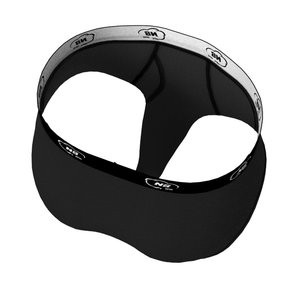
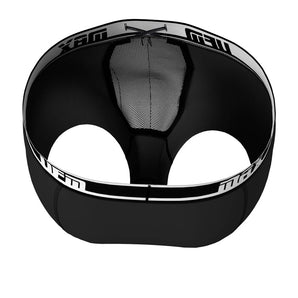
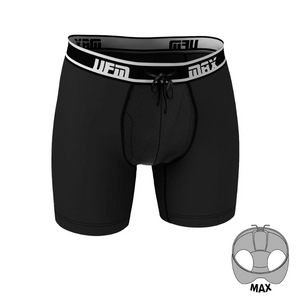
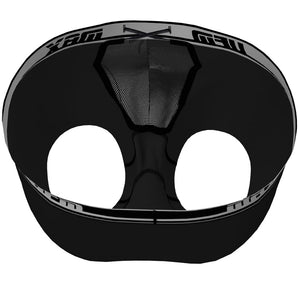
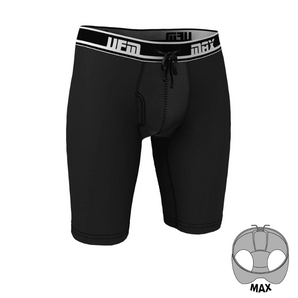
Unlike traditional briefs or boxers, UFM Underwear features a patented adjustable pouch that gently lifts and supports the testicles. Benefits include:
- Reducing pressure on the spermatic veins
- Preventing excessive sagging during movement
- Improving comfort during daily activities, sports, or long shifts
- Supporting post-surgical recovery when needed
Many men with varicoceles or general scrotal discomfort report significant relief from a supportive, adjustable pouch system.
Bonus: UFM is doctor-recommended for comfort and support.
When to See a Doctor
Consult a urologist if you experience:
- Sharp or persistent scrotal pain
- A noticeable lump or mass
- Infertility concerns
- Rapid testicular shrinkage
Early diagnosis improves treatment outcomes, especially for fertility preservation or pain management.
Final Thoughts
Saggy testicles are often harmless, but discomfort or unevenness can indicate a varicocele. Lifestyle adjustments—like cold packs, avoiding prolonged standing, and wearing supportive underwear like UFM Underwear—can make a real difference.